Turn your property into a fully managed Airbnb.
We turn your property into a fully managed 5-star Airbnb in 30 days.Guests book, stay and leave. No tenancy, no courts, and you keep the keys.
30% above your net buy-to-let income in year one,or we refund the furniture and decoration in full.
Azim, booked solid through August
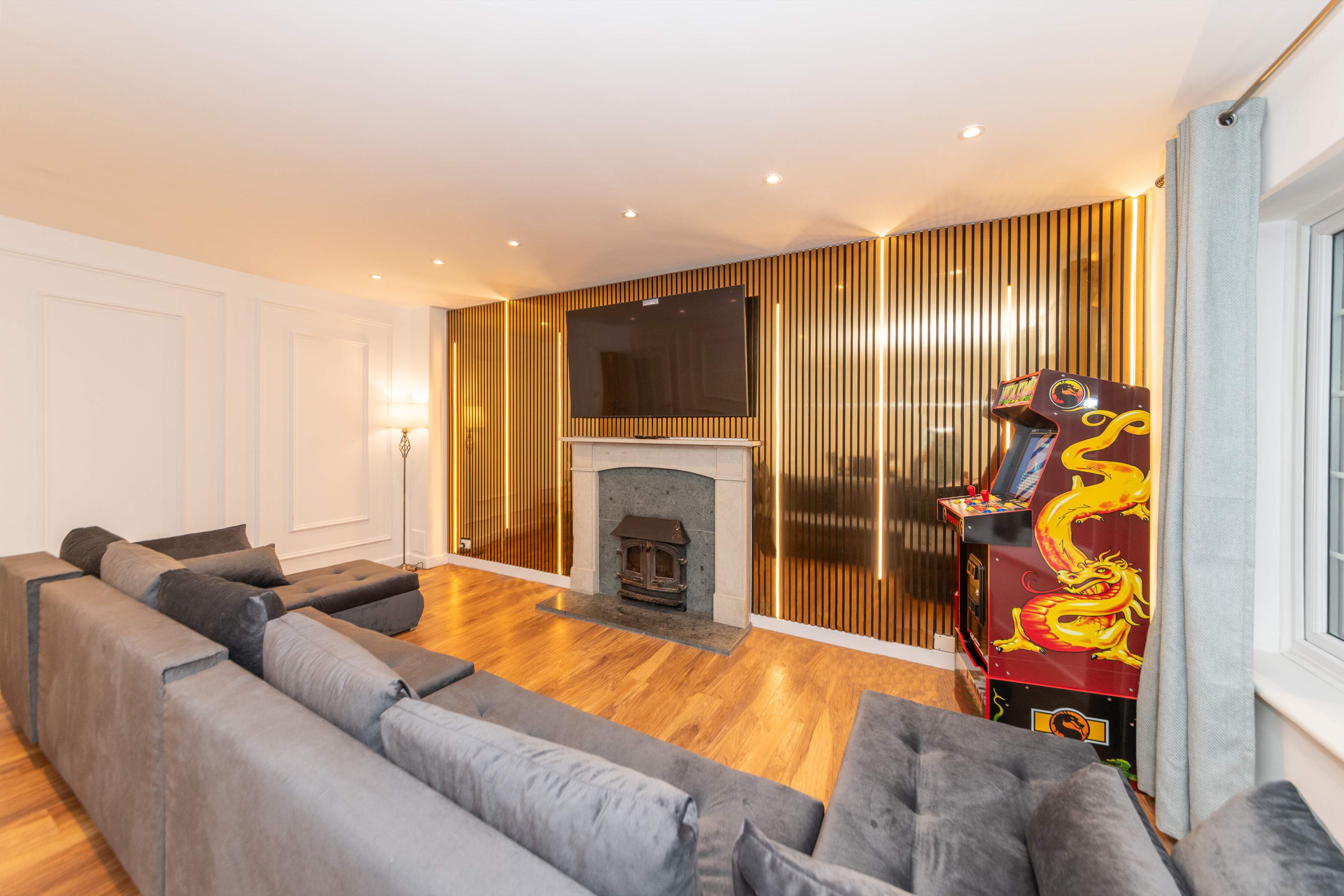
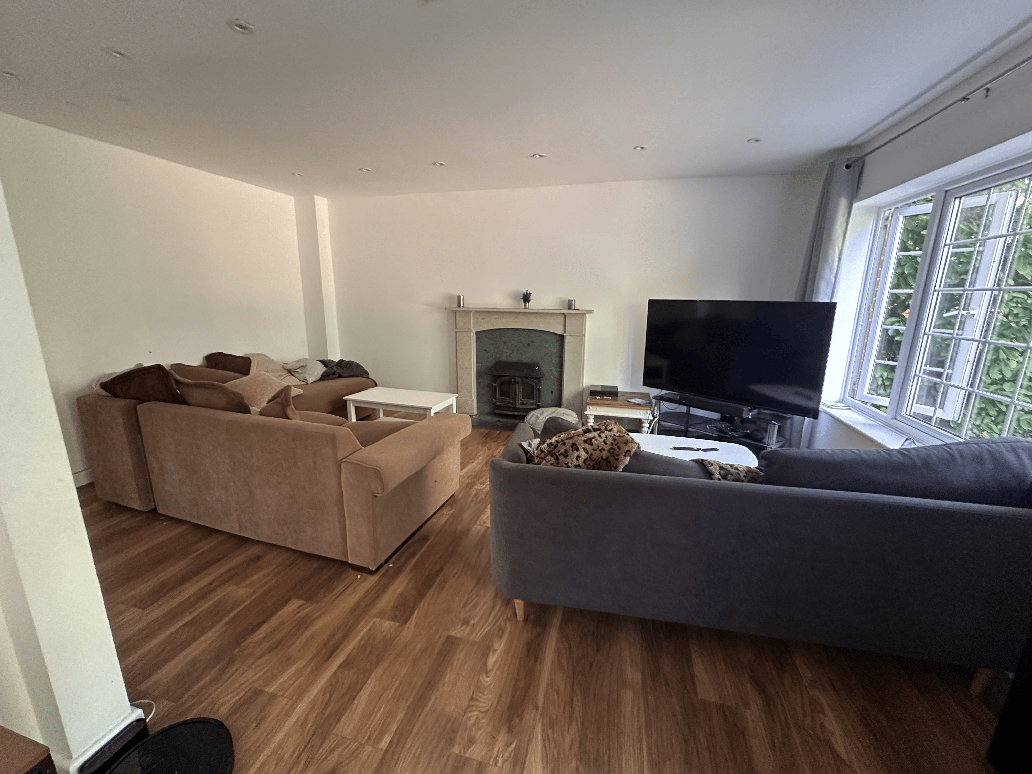
Tap a room, then drag the divider.
“Emerson helped us move from a long-term to a short-term let. We were anxious about the new no-fault eviction laws. It is already booking through July and August.”
Long let to managed short let in 30 days, booked on real, paying nights.
.png)
.png)
.png)
.png)
The reality in 2026
The numbers most landlords have stopped looking at.
Section 24 took the tax relief. The Renters' Rights Act took the Section 21 notice. None of those changes stop a landlord from earning more. They only stop a buy-to-let landlord from earning more.
And there's a quieter problem most portfolio landlords never quite name. You found a good long-term tenant. They've been there three, four, five years. So you barely touched the rent. Maybe a 1 or 2% bump across the whole tenancy, because peace of mind was worth more than another £300 a month.
The trouble is, the gap to market rent compounds. On a typical 3-bed in the South East with a long-term tenant, you're likely under-charging by about £4,000 a year. Across a three-property portfolio on the same pattern, roughly £12,000 a year. It doesn't show up in any report. Over the years you hold the rent, it adds up to more than most landlords realise.
When that tenant finally leaves — they always do, often to buy their own home — you'll have an empty property and a market to re-let. You gave up the income. You still got the void.
Saima, nine properties without lifting a phone
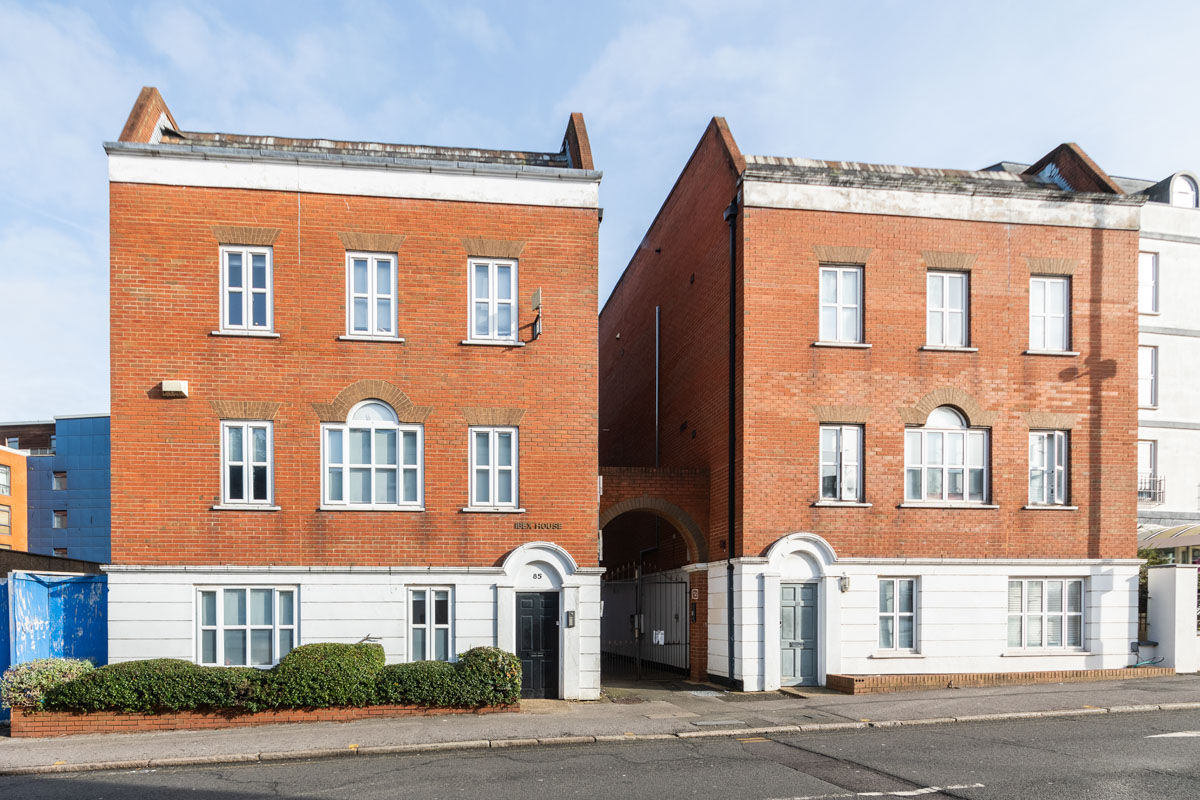
“Emerson manages nine of our properties, including an HMO, in full compliance with Reading Borough Council. He does the maintenance the most economical way, and is transparent on every cost.”
Nine properties and a licensed HMO, fully compliant, one point of contact.
★ What changes
What changes the day you hand us the keys.
30%+ more income, year one
Measured against your buy-to-let baseline. If we miss the 30% uplift, we refund the cost of furniture and decoration in full.
More control of your asset
Daily inspections. Inventory tracked. CCTV, noise monitors, neighbour-considerate operations. You see the condition of the property at all times.
Use it yourself when you want
Family reunion, summer week, friends in town. Block out the dates on the dashboard. Your property, your call.
Compliance handled
Licensing, safety certificates, EPC, council requirements. We manage it. The paperwork in one place.
★ Who we are
We've watched too many good landlords get burned.
%20(1).jpg)
I started our Holiday Let Management Company in 2022, after watching too many landlords I respect lose control of properties they'd looked after for years. They were good people. They wanted a long-term tenant and a fair return. The rules changed underneath them. The tenants they trusted didn't always treat the place the way they had.
At the same time, I kept staying in Airbnbs as a guest and finding accommodation that didn't quite feel like a home. A box, a bed, a passcode. Nothing about the place suggested anyone actually wanted you there.
I thought there was a way to solve both problems at the same time. Run the property to a 5-star standard for the guest. Run the operation to a professional standard for the owner. Take the work off the landlord. Take the chaos out of short-letting. Make the asset earn what it should.
Four years and 3,000+ guests later, we've done exactly that across studio flats, blocks of flats and houses up to 10 bedrooms, in Reading, London and the South East, with new postcodes opening through 2026. The model works. The guarantee on the next page is the proof we'll put it in writing.
ADI, run like a boutique hotel
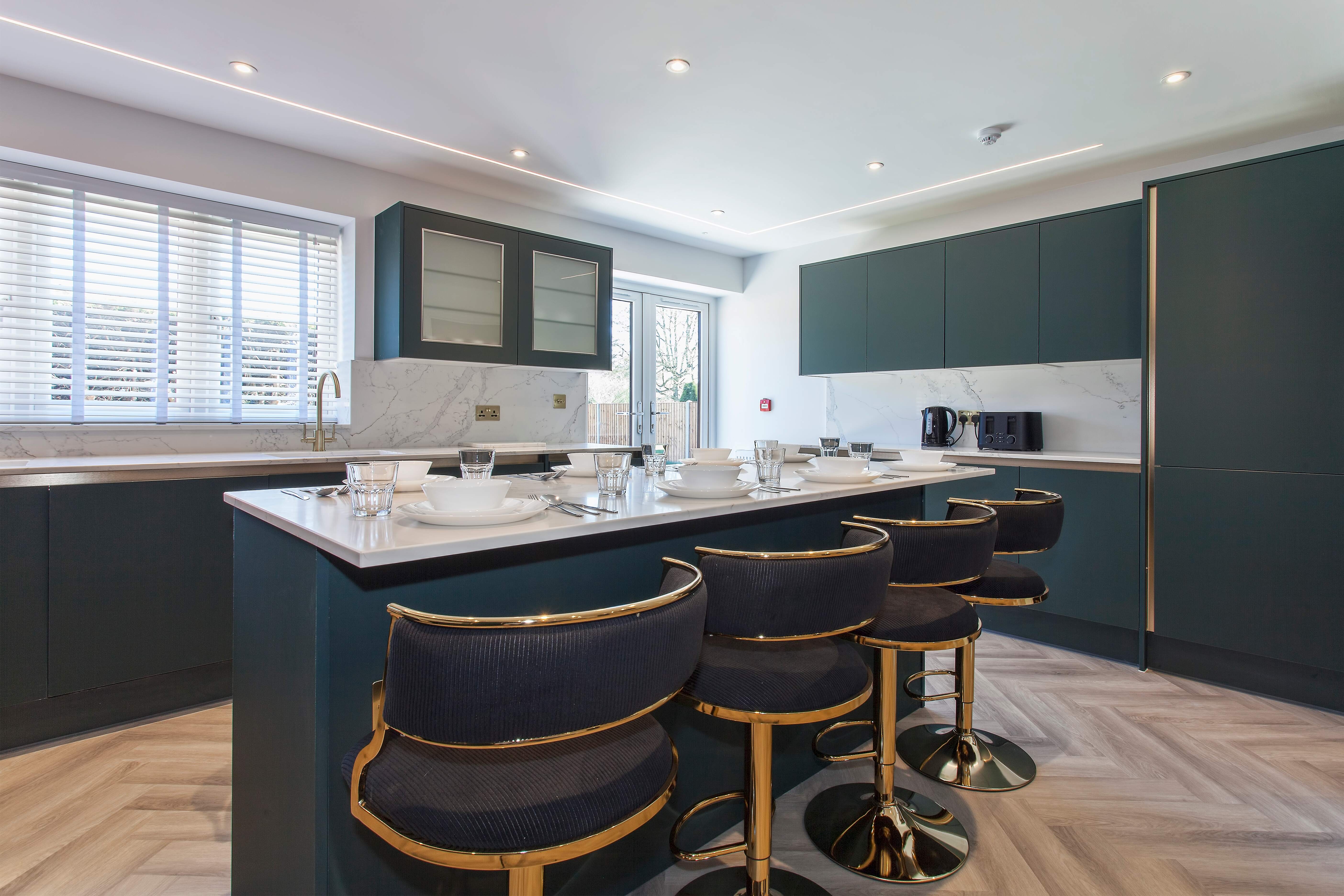


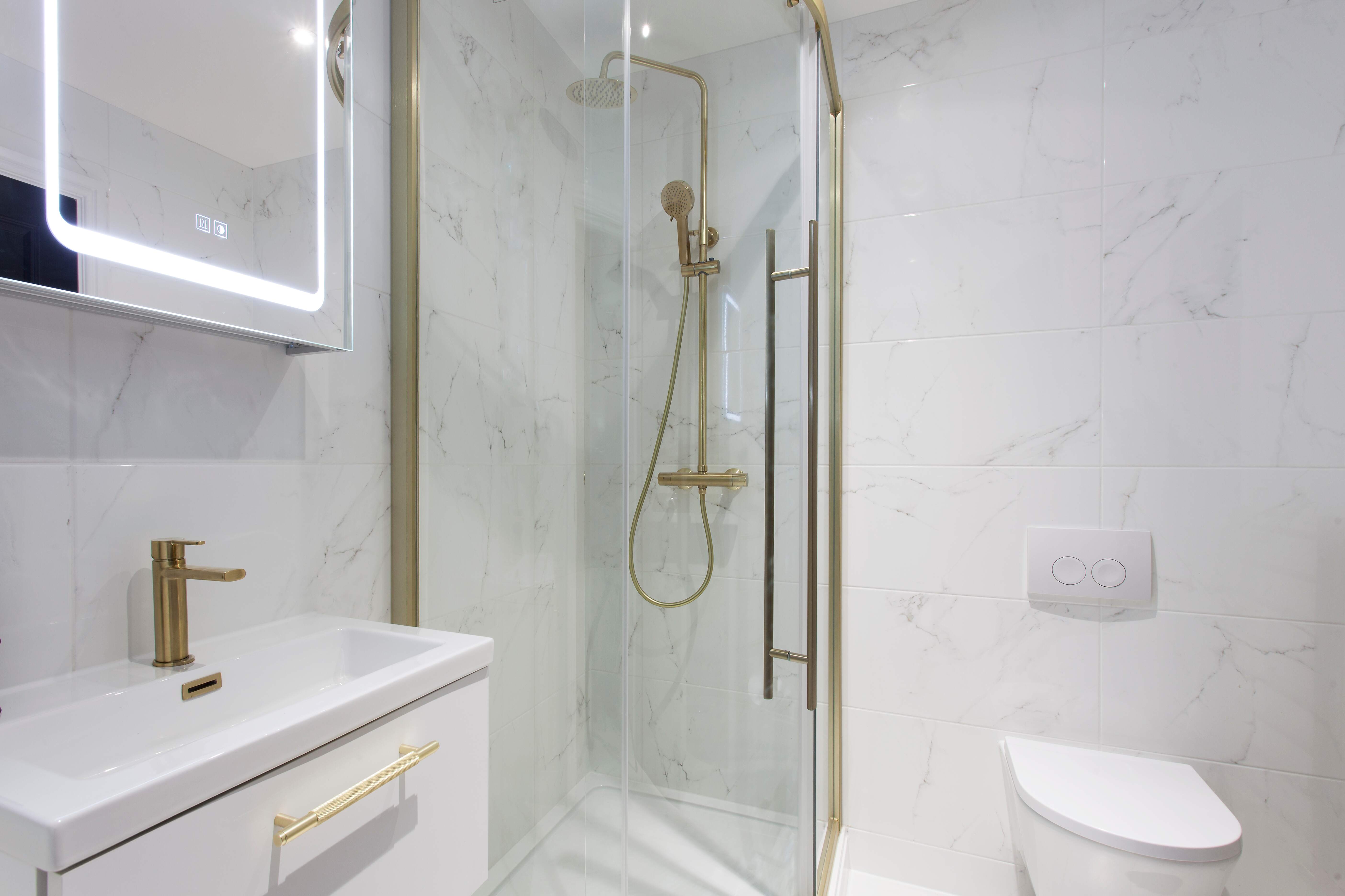





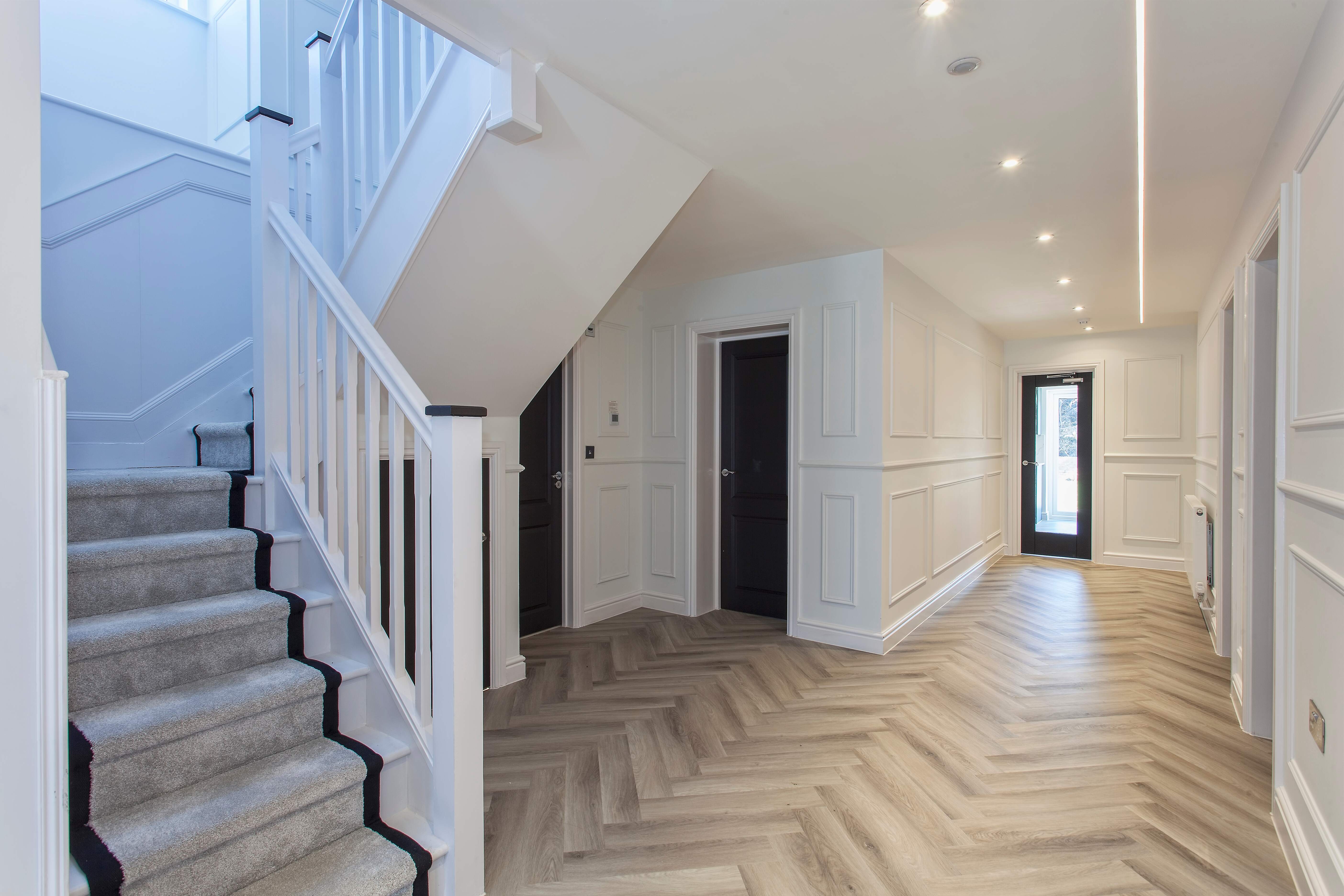

Swipe the photos · 11 in total.
“The best at what he does. He delivers on his promises, takes the management on from an owner's view rather than a third party, and makes analytical recommendations that set him apart from all competition.”
Noise-monitored, over-25 guests only. One of the top earners in Berkshire.
.png)
.png)
.png)
.png)
.png)
.png)
.png)
★ The plan
Three steps. Thirty days. One property at a time.
Tell us your postcode.
We pull the local short-let data for your specific postcode, look at the property mix, and send back a Holiday Let Report within 24 hours. You see projected monthly income, the cost vs return against your current rent, and a recommended strategy.
We refurbish, furnish and launch.
If your property is a fit, we run the 30-day switch. Furniture, decoration, photography, listing, pricing, compliance paperwork, and live across 35+ channels. You make no trips. You answer no guest messages. You do not buy a single curtain.
You watch the income rise.
Twelve months later, your annual income is at least 30% higher than your buy-to-let baseline. If it isn't, we refund the cost of the furniture and decoration in full. The 30% uplift is the floor, not the ceiling.
Jessica, beating buy-to-let month after month
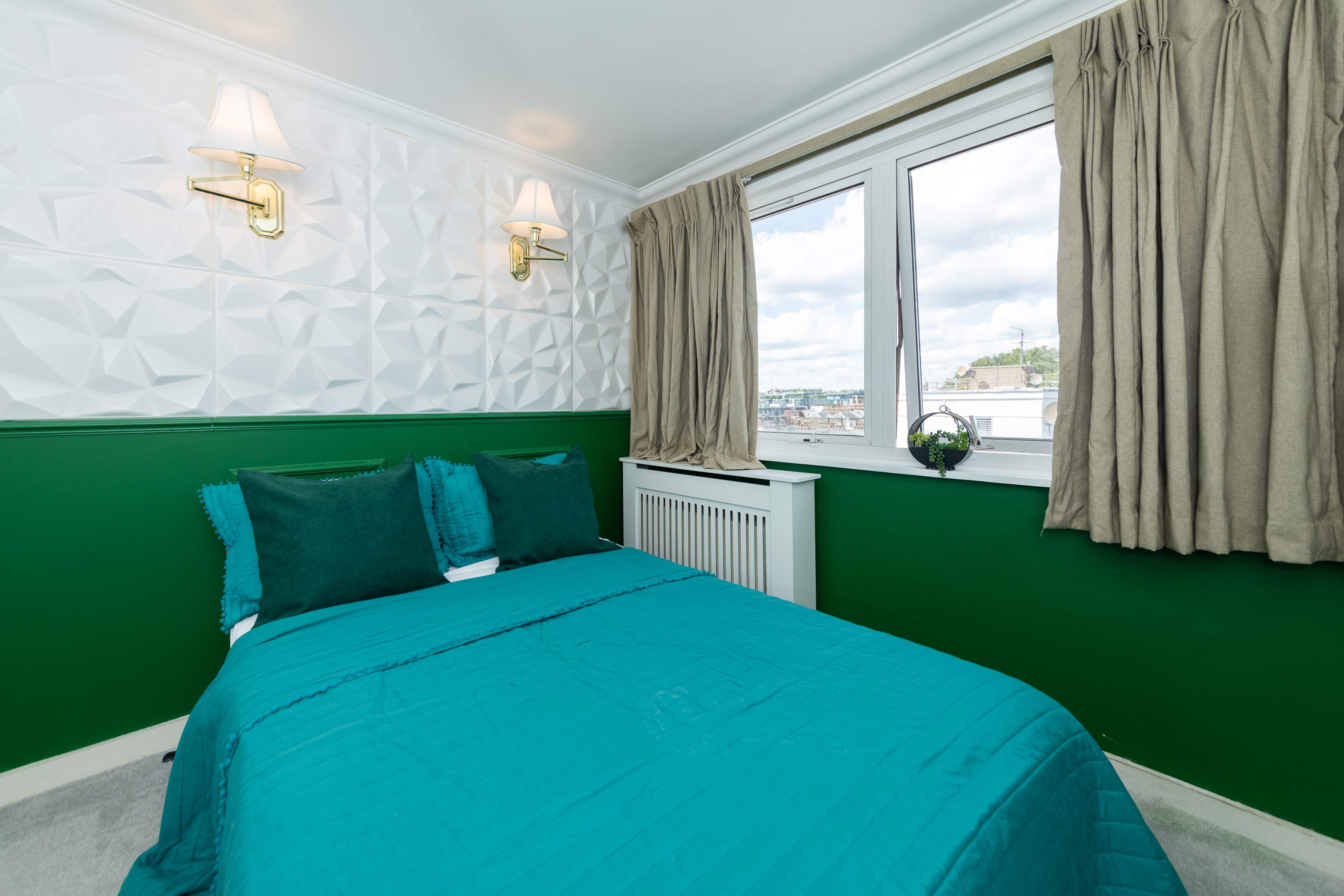
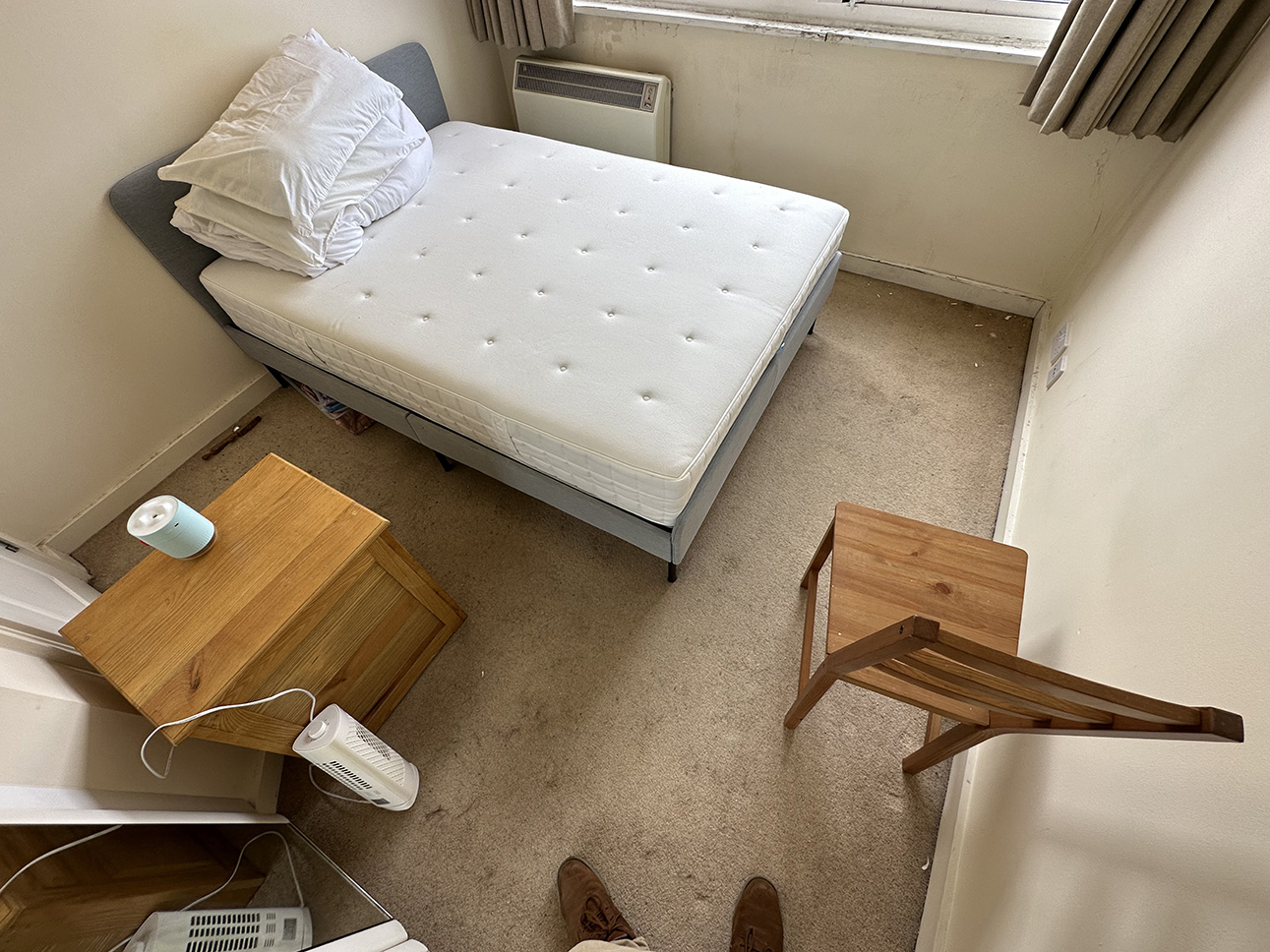
Tap a room, then drag the divider.
“Our one-bed in Reading city centre has run as an Airbnb for seven months, making a higher return than the buy-to-let option, and kept to the same high standard. Super happy.”
Seven months in, a higher return than the buy-to-let she compared us against.
★ The honest question
“But will this actually work for my property?”
It's the one question every serious portfolio landlord asks. And it should be. You'd be investing money into furniture, decoration and a property strategy that isn't proven for your specific postcode yet. Here's how we answer it, before you spend a penny.
We run due diligence before we accept a property.
Not every property is a fit. We pull local short-let data for your postcode, check the property type against our top-performing comparables, and tell you honestly whether the maths works. If it doesn't, we say so. We aren't trying to take on every property.
We use furniture and decoration we've already tested.
Across 3,000+ guests and properties from studio flats to 10-bedroom houses, we know exactly what furniture, decoration and layout converts to 5-star reviews and high occupancy in each area. We don't experiment with your money. We deploy what's already proven.
We carry the financial risk in writing.
If your income doesn't rise by at least 30% against your buy-to-let baseline in the first 12 months, we refund the full cost of the furniture and decoration. In your signed contract. Not a marketing line.
One 2-bed. Same address. A different property to a guest.
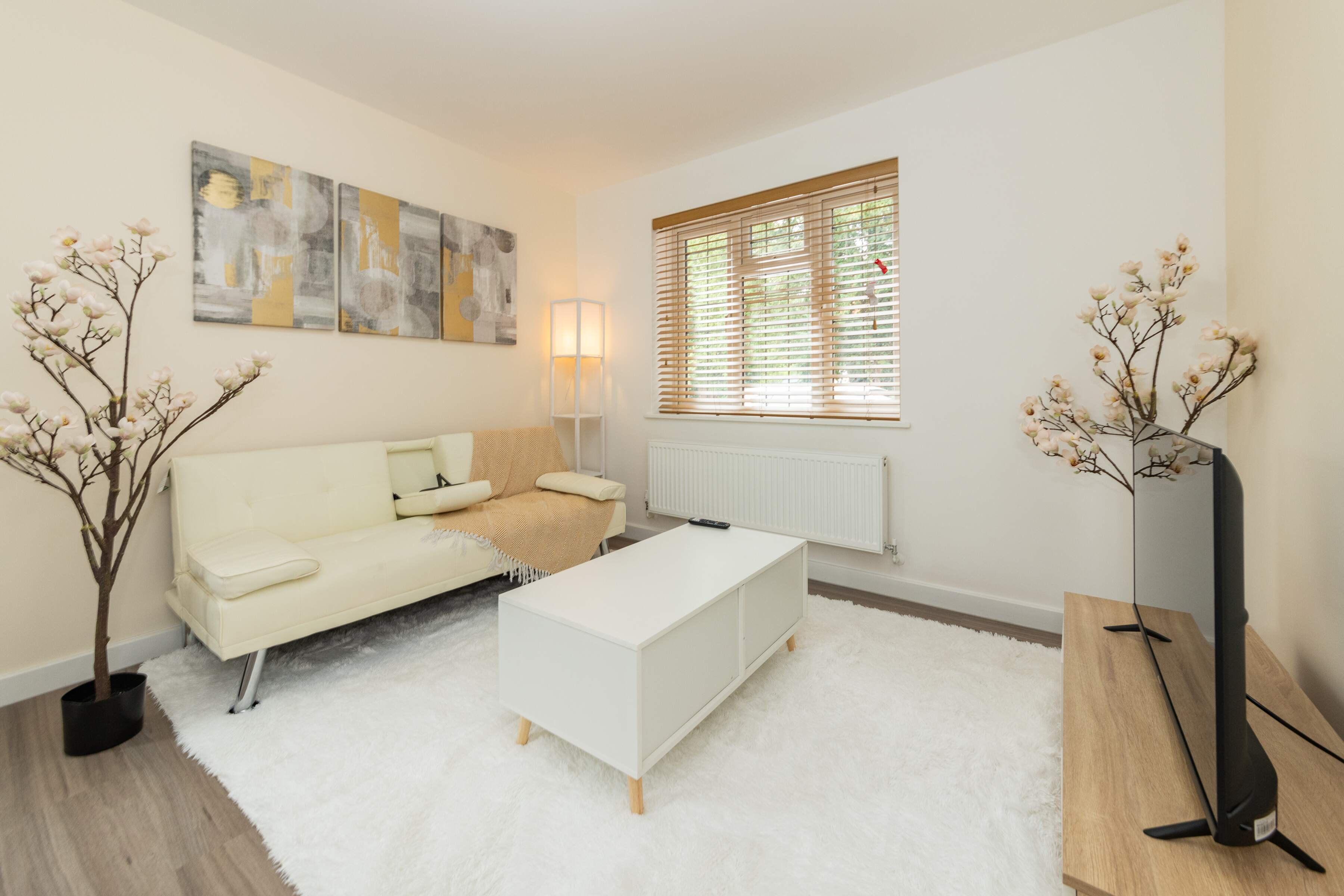
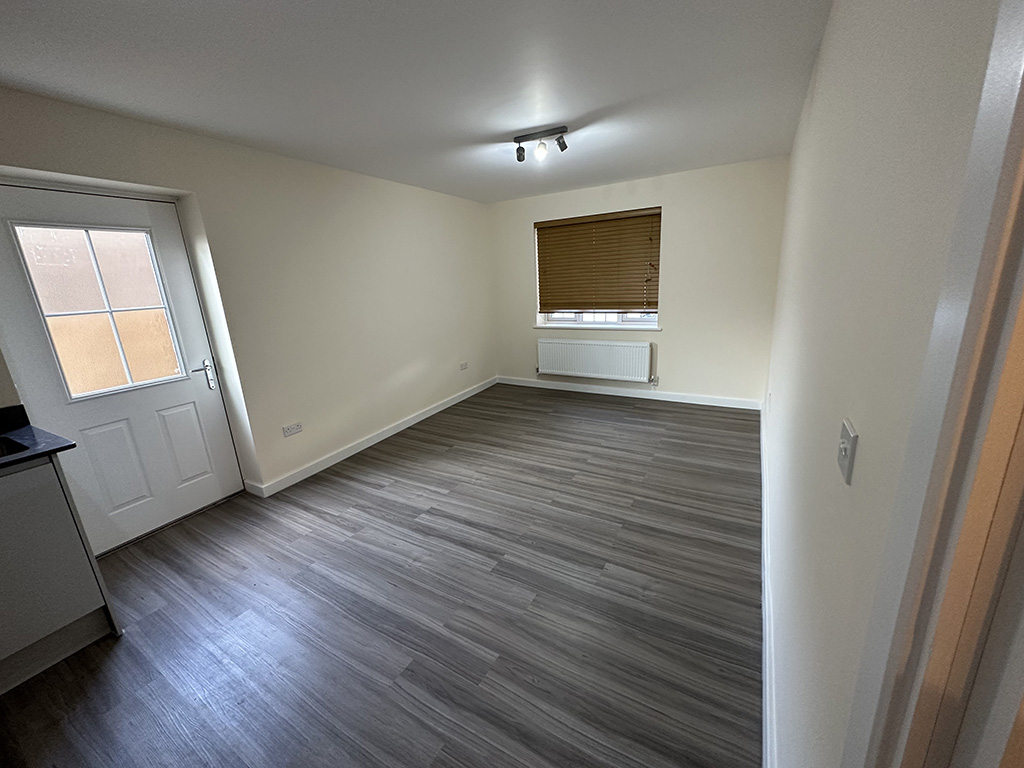
Tap a room, then drag the divider.
- Staged and furnished to a five-star guest standard
- Professionally photographed, listed across 35+ channels
- Cleaned and inspected after every single stay
- Run day to day by us: guests, cleaning, maintenance
Staged for the guest who books it, not for the brochure
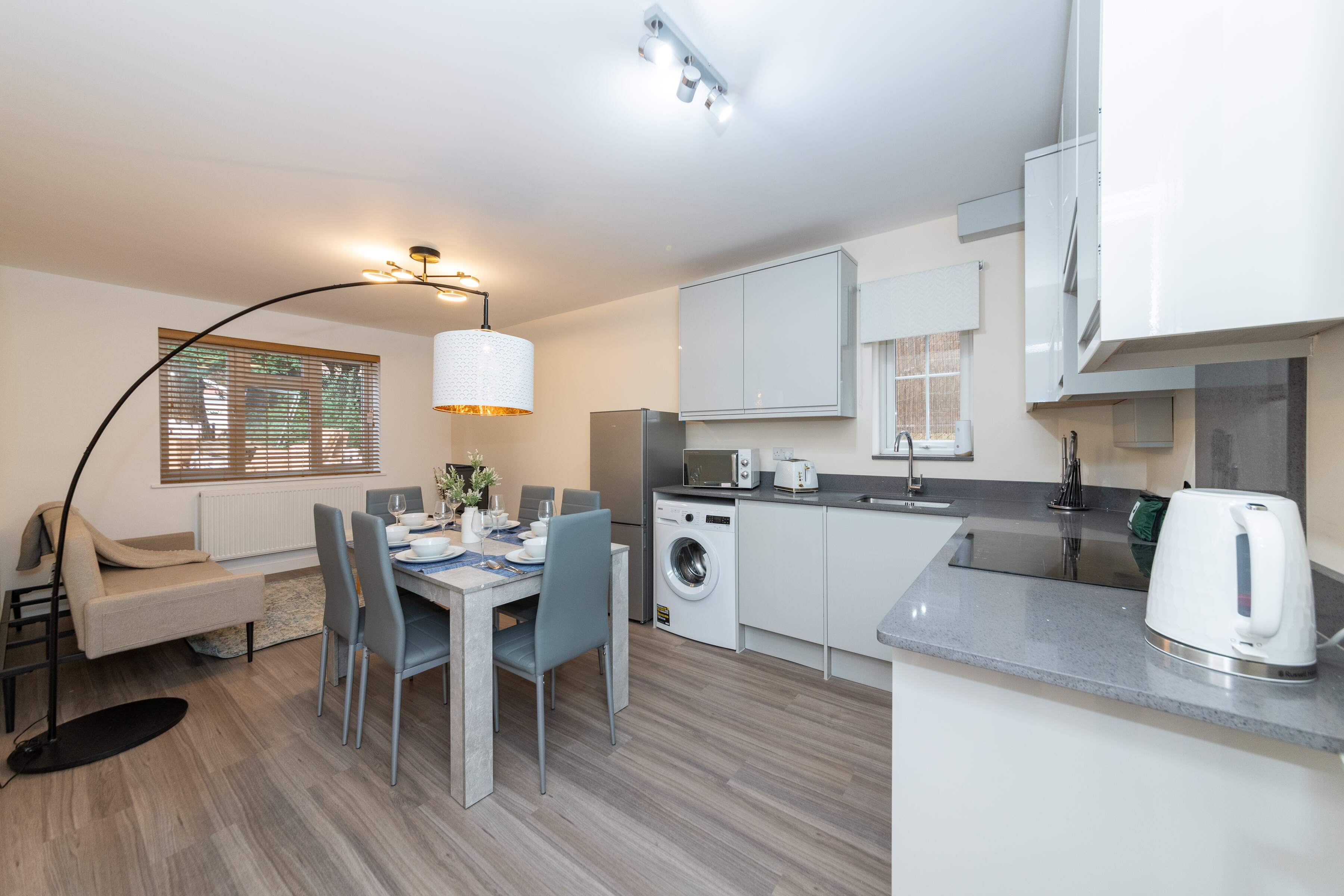
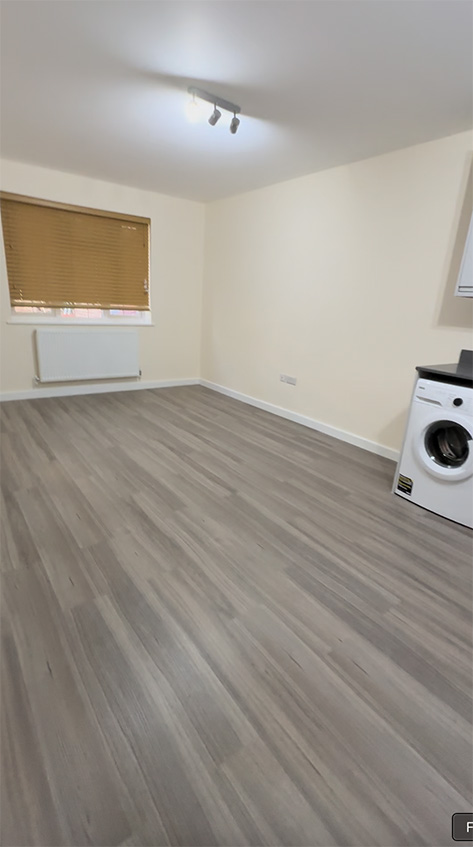
Tap a room, then drag the divider.
- Staged and furnished to a five-star guest standard
- Professionally photographed, listed across 35+ channels
- Cleaned and inspected after every single stay
- Run day to day by us: guests, cleaning, maintenance
A studio, held to the same standard as a 10-bed

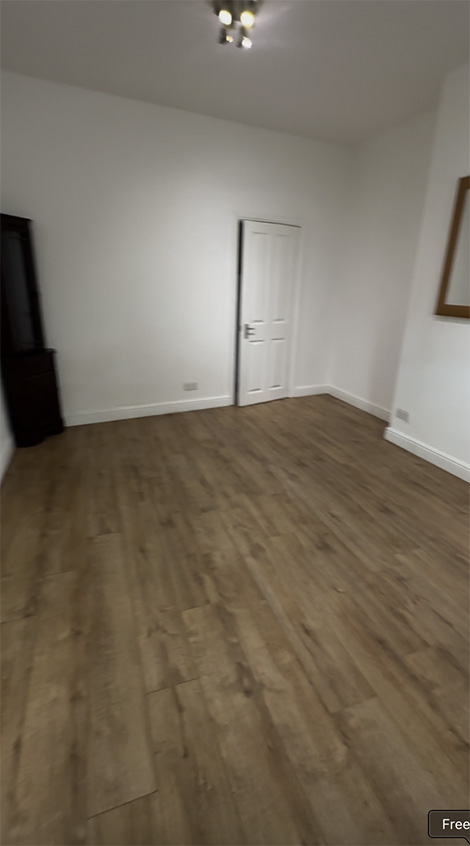
Tap a room, then drag the divider.
- Staged and furnished to a five-star guest standard
- Professionally photographed, listed across 35+ channels
- The same cleaning and inspection routine after every stay
- Proof the method works on any size of property
★ Two written guarantees
The risk is on our side of the line.
A portfolio landlord with three properties has already taken enough risk. This is how we move the next risk off your balance sheet — in writing, in your signed contract.
Earn at least 30% more in twelve months, or we refund your furniture and decoration in full.
Measured against your buy-to-let baseline over a continuous twelve-month window. If we miss the 30% uplift and you exit for that reason, we refund the documented cost of the furniture and decoration you bought on spec.
If your rating slips below 4 stars, we work for free until it's back above 4.5.
Our economics are aligned with yours. If your average guest rating falls below 4.0, our management fee stops until we bring it back above 4.5. No review-dispute process. No small print. Tracked live from platform data.
Every figure on this page is a written contract term. Nothing is aspirational.
What you get with us vs the average manager
We checked our full service against what standard holiday let managers advertise. Tap any category to see the breakdown.
Services the average manager does not offer
Everything the standard manager does, plus a whole layer built around protecting your property and lifting your income.
Same hands-off experience. Zero compromise.
Full coverage from the day you say yes. Every service, under one roof.
★ Twelve months from today
What it actually looks like, a year from signing.
Twelve months from signing, your property looks like this. You have a person on the ground in your area who runs it daily. Inspections happen on a schedule. The inventory is tracked. The compliance paperwork is in one place. The CCTV and noise monitors mean you know what is going on without having to ring anyone.
The income is higher. Conservatively, 30% higher than your buy-to-let baseline. In most cases, more. The number arrives in your account every month with a statement your accountant can read in 30 seconds.
You haven't been to the property. You haven't answered a guest message. You haven't bought a curtain. If you wanted to use it yourself for a family weekend, you'd open the dashboard and block out the dates.
The property you've owned for ten or fifteen years now has hundreds of 5-star reviews from people who loved staying there. Some of those reviews are from contractors relocating to the area. Some are from couples getting married nearby. Some are from families on a UK trip. They booked the place because it felt like a home, and they left it the way they found it.
You're no longer hostage to whatever the next Renters' Rights amendment or EPC deadline is. You're not waiting on a letter from the council. You're not chasing a tenant for two months of arrears. The asset is back under your control, in better condition than it's been in years.
That's not a marketing promise. It's a contract. The 30% uplift is the floor. The furniture refund is the safety net. The rest is the work we do every day for 3,000+ guests already.
Frequently Asked Questions
What areas in the UK do you cover?
- Berkshire
- Greater London
- Oxfordshire
- Bristol
What does it actually cost to run a Holiday Let?
3 Types of Expenses
1st. Property overheads. This includes things like the mortgage, utility bills, council tax, insurance, service charge, ground rent, internet, and other regular property costs.
2nd. Booking costs. These are the costs linked to getting and processing bookings. This includes OTA commission, payment processor fees, and management fees where applicable.
3rd. Guest-ready costs. This includes cleaning, laundry, linen replacement, toiletries, toilet paper, tea, coffee, milk, bin bags, washing-up liquid, and other guest supplies.
In practice, these costs are usually built into the pricing. Booking costs, like OTA commissions and payment processing, are included in the nightly rate. Guest-ready costs such as cleaning, laundry, consumables, and linen wear are covered through the cleaning fee.
Running a holiday let comes with various costs, but these are usually not seen as unexpected expenses. A good pricing structure considers these factors from the beginning. This way, the property remains profitable while also providing guests with a great experience.
How do you know what my property could earn?
We pull live data from your postcode. Real occupancy, real nightly rates, real revenue from similar properties.
Not national averages.
What if my property doesn't suit as a Holiday Let?
Not every property is the right fit for the holiday let model, and that is completely fine.
A holiday let is simply one strategy within property, alongside others such as B2L, HMO, emergency accommodation, supported living, or social housing.
The right approach will always depend on the property itself, the area, and the landlord's goals.
In our experience, landlords often seek alternatives for these main reasons:
- They are frustrated with increasing regulation in the private rental sector.
- They want to go abroad for a while and come back easily, without the hassle of fighting for their property in court.
- They want to improve the standard of their property while still earning from it.
Most landlords want three main things: more control over their asset, better financial returns, and a property they can be proud of.
That said, not every property is suitable for short-term rental. Around a third of the properties we assess are not the right fit for the holiday let model. If yours isn't one of them, we'll make that clear in the report. This way, we won't waste your time forcing the wrong strategy on the wrong property.
Will I need to spend money before it can earn?
Yes, in most cases, some upfront investment is needed. This can include furniture, decoration, styling, and small improvements. It all depends on the property's current condition.
The best properties often have one thing in common: they meet a higher standard. Better condition, better furnishing, and a more polished finish usually lead to better guest appeal and stronger revenue.
What worked a few years ago with simple furnishings often won't cut it today. Guest expectations are higher now, and so is the competition.
Does occupancy hold year-round?
Demand will vary depending on the season, the area, the type of property, and the types of guests it attracts.
A holiday let can attract various groups. Contractors, tourists, family reunions, wedding guests, relocators, and working professionals all book for different lengths and times.
For that reason, it would be unrealistic to expect the same occupancy every month. Some periods will be stronger than others.
The best way to estimate occupancy is to look at similar properties in the area. Focus on those with comparable bedrooms, amenities, and guest appeal. This method helps create a realistic yearly average instead of using a fixed monthly number.
Which is why the Holiday Report is insightful to this aspect.